From Manual Timetables to a Digital Window: Implementing an Analytics Platform at Russian Railways

At a major hub station during rush hour, several routes converge at once. One train is running late, a second is waiting for a crew, a third has a clear path, while a fourth has only just left the depot and still hasn’t been added to the current schedule. In the past, dispatchers pieced the picture together from fragments: they called colleagues, cross-checked locomotive tables, reviewed occupancy plans, and clarified conditions on adjacent segments. Decisions were made based on a specific person’s experience and intuition—not complete information—and often under intense time pressure.
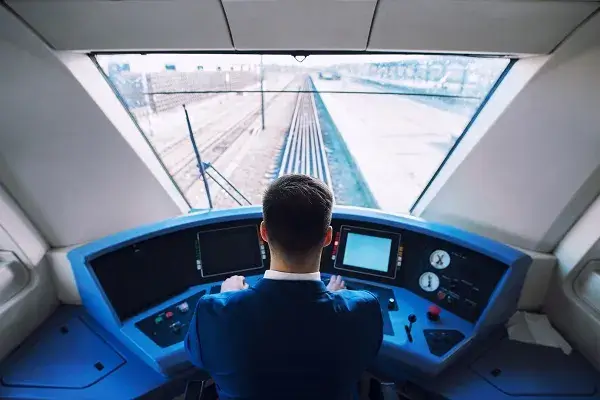
Today, the situation is different. In a single interface, the system shows data on train movement, traction readiness, track occupancy, and crew availability across the entire station and the surrounding segments. It highlights deviations from the plan, warns when a segment is approaching overload, and displays possible scenarios for how events could unfold. This makes it possible to adjust the order of departures or reassign resources before a local delay affects dozens of other routes and escalates into a system-wide failure.
This approach became possible thanks to an operational planning system and analytical support developed with the participation of Mikhail Baiusov. His role was not limited to preparing reporting templates: he defined which metrics would become the key inputs for management decisions at the station, directorate, and network (polygon) level—and how to aggregate them without getting bogged down in excessive detail. Based on that, the logic behind automatic alerts was shaped: the system doesn’t just present data, it highlights anomalies and risks, encouraging dispatchers and managers to focus on the truly critical zones. In practice, analytics becomes another “team member” that works 24/7—without ever getting tired of routine.
Before the solution was implemented, a significant portion of the work involved manually matching information. Different departments maintained their own tracking spreadsheets, and details about locomotives, crews, and the train schedule strands arrived late and in varying formats. The new platform automated the processes of combining data from accounting systems, dispatch reports, and rolling stock tracking, bringing everything under a single standard. Managers were able to view a complete picture in near real time—without having to manually compile summary tables and make a series of urgent calls down the chain. This reduces reliance on human factors and makes management decisions repeatable: the same set of source data leads to comparable actions.
The practical impact was evident in several areas. Synchronizing the use of train schedule strands, locomotives, and crews reduces resource imbalances and cuts downtime for both rolling stock and personnel. Early identification of bottlenecks shortens delays at stations and lowers the likelihood of cascading failures—when one late train blocks the operation of an entire node. Operational control improves at route intersections, where any delay can trigger a chain reaction.

It’s important that the solution is built on existing infrastructure and internal data sources, without requiring a radical overhaul of the IT landscape. This makes it possible to roll it out across the network while avoiding critical capital expenditures, by tailoring the settings to the specific requirements of individual yards and stations.
For his contribution to the development, Mikhail Baiusov has received a number of professional awards: a diploma as the winner of the “Idea of JSC Russian Railways” competition, a letter of thanks from the company’s генеральный директор, and departmental commendations from the Ministry of Transport of the Russian Federation. These awards recognize not only a successful project within the company, but also industry-level recognition of an approach to transportation management—where practical outcomes and the reliability of solutions are valued.
The implementation history shows how, within Russian Railways, in-house digital solutions are developed based on a deep understanding of the transportation process and the real constraints of the infrastructure. Unlike universal packaged products, the system’s architecture was born out of the day-to-day work of dispatchers, station managers, and analysts. The work of specialists like Mikhail Bayusov makes digital transformation part of everyday operations—from timetable planning and resource allocation to decision-making for a specific section of the network and assessing the impact of those decisions across the entire railway line.


